Hernias
Hernias are a common reason patients are referred to a general surgeon. Thomas provides safe, effective repair of groin (inguinal), umbilical, and incisional hernias for patients across the Hutt Valley, Wairarapa, and Kāpiti Coast, using modern surgical techniques to support a confident recovery.
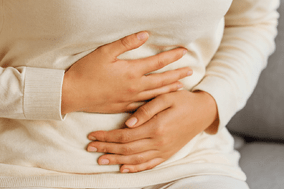
A hernia occurs when tissue pushes through a weak spot in the abdominal wall, often causing a visible bulge or discomfort. While not always urgent, hernias do not repair themselves and can lead to complications over time, which is why assessment and treatment are recommended.

What hernia repair involves
Hernia surgery repairs the weak area in the abdominal wall and reinforces it to prevent the hernia from returning. Whenever possible, Thomas performs laparoscopic (keyhole) hernia repair, which offers:
Smaller incisions
Less discomfort after surgery
Faster recovery
Lower infection risk
A quicker return to normal activity
Some hernias may be better suited to open repair. Thomas will explain the most appropriate option based on the type and complexity of the hernia.
Common signs of a hernia
You may need hernia assessment if you are experiencing:
A lump or bulge in the groin or around the belly button
Discomfort when lifting, coughing, or standing
A heavy or dragging sensation in the lower abdomen
Pain or pressure that worsens over the day
A hernia that worsens or becomes difficult to push back in
If a hernia becomes very painful, firm, or cannot be pushed back in, urgent assessment may be needed.
Types of hernias treated
Thomas provides surgical repair for:
Inguinal (groin) hernias
Umbilical hernias
Incisional hernias from previous surgery
Femoral hernias
Recurrent hernias
Whether the hernia is small and recently noticed or larger and long-standing, treatment can help restore comfort and reduce the risk of complications.
FAQs
Do all hernias need surgery?
Most hernias will eventually need repair, as they cannot heal on their own. Surgery helps prevent discomfort and possible complications.
Is hernia repair done under local or general anaesthetic?
Many hernias can be repaired under local or general anaesthetic, depending on the type of hernia and your overall health.
How long is recovery?
Recovery varies by hernia type, but many patients return to light activity within a few days and normal activity after a couple of weeks. Thomas will provide personalised guidance.
Does laparoscopic repair suit everyone?
Laparoscopic repair is ideal for many patients, but not all. Thomas will discuss the best approach for your specific hernia.
Can a hernia come back after surgery?
Most repairs are long-lasting. The risk of recurrence is low when modern techniques are used and aftercare instructions are followed.
- PATIENT INFORMATION & RESOURCES
Supporting you at every stage
From the first consultation through to surgery and recovery, Thomas and his team ensure you have clear information and support. Many patients value having access to practical patient information sheets and resources. These are available on the website to help you prepare and feel confident.
Articles & insights
Every few months, Dr Thomas Morgan shares short articles on topics such as bowel cancer awareness, hernia repair, gallstones, and colorectal health. These are designed to give patients clear, reliable information without the medical jargon.



Information on this website is intended as a general guide and should not replace personalised medical advice from a qualified clinician. For diagnosis or treatment relating to your individual health, please consult your GP or specialist.

